
Instant Renewable Energy
Zero CO₂ in use. No cobalt.
Compact
Circa 15 cm tall and easy to carry around.
Alleviates Battery Anxiety
750,000 charge cycles. Approximately 10 years life span.
Emergency Power
on Demand
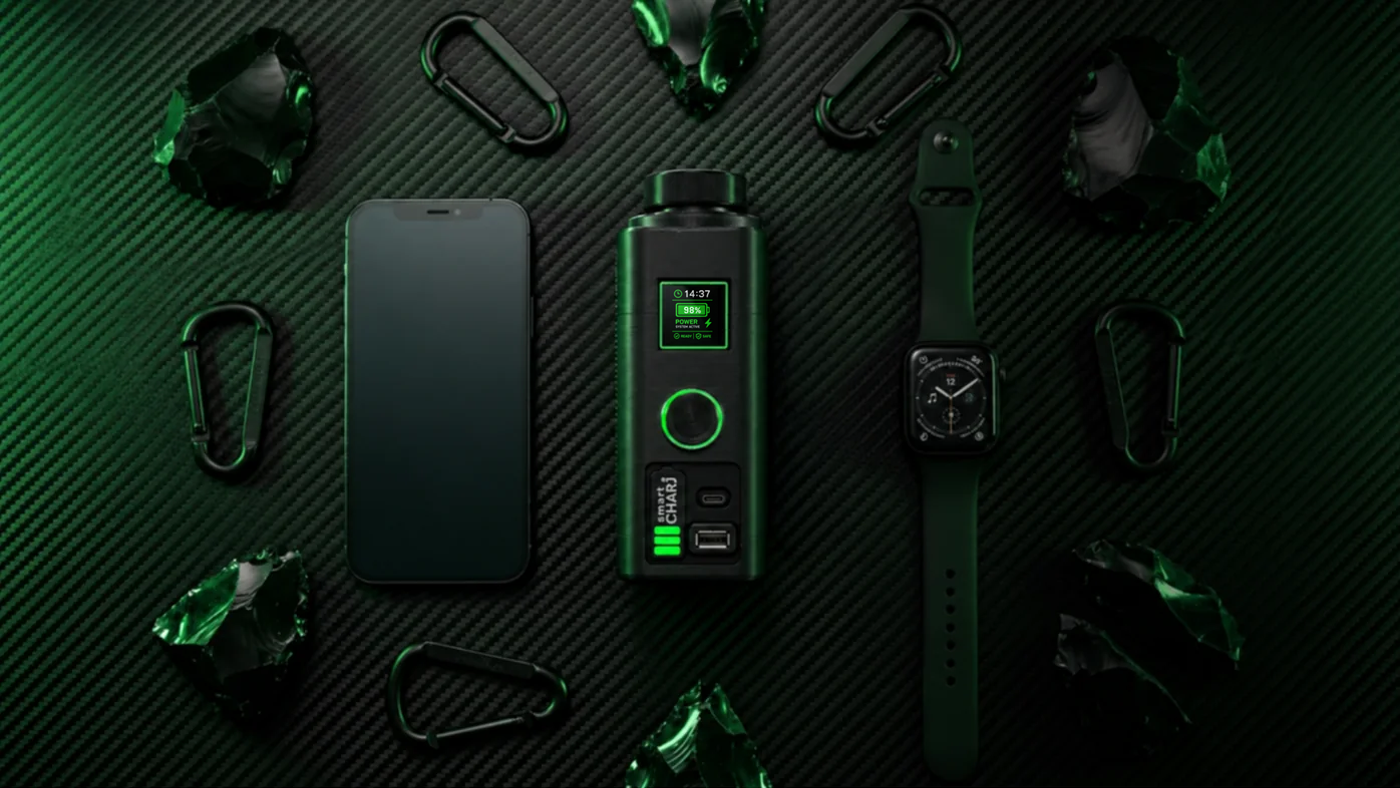
A handheld, cobalt-free kinetic power bank delivering instant, clean energy anywhere — fast, sustainable and portable.
Visual images of Smart Charj are for illustrative purposes only. The final design (dimensions, shape, colour, size etc.) is subject to change as we optimise for ergonomic and aesthetic appeal.
-
A Full Phone Charge in
Five MinutesApproximately 5 minutes of gentle winding fully charges a smartphone. Tablets and laptops take longer.
-
750,000
Charge CyclesHybrid supercapacitors last over ten years — lithium-ion power banks last 1–3 years.
-
Cobalt-Free
by DesignNo cobalt, less than 2% lithium, and zero CO₂ emissions in use.
-
Patented
TechnologyUK patent granted, international patents pending.
Simple, Reliable
Power in Your Hands
Turn the handle to generate effortless ultra-fast power on demand to charge your devices as and when needed.
-
1
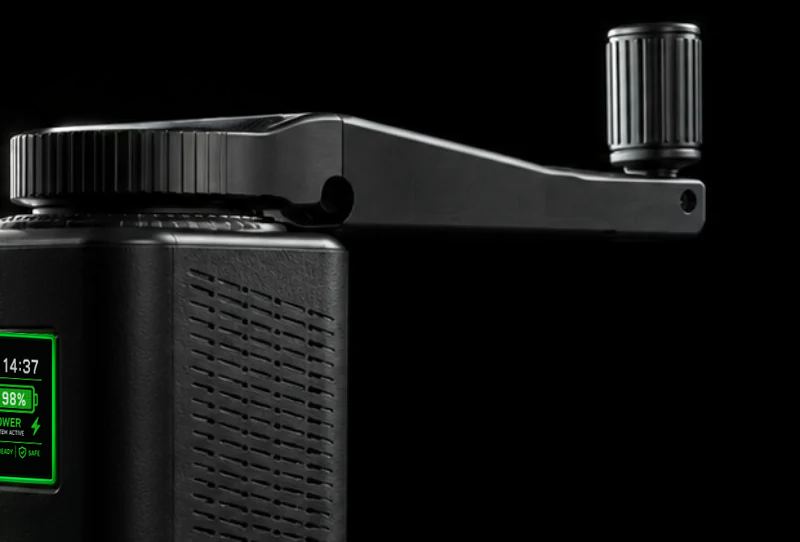
Crank to Generate Power
Turn the retractable hand crank to generate electricity and store it in the built-in battery.
-
2
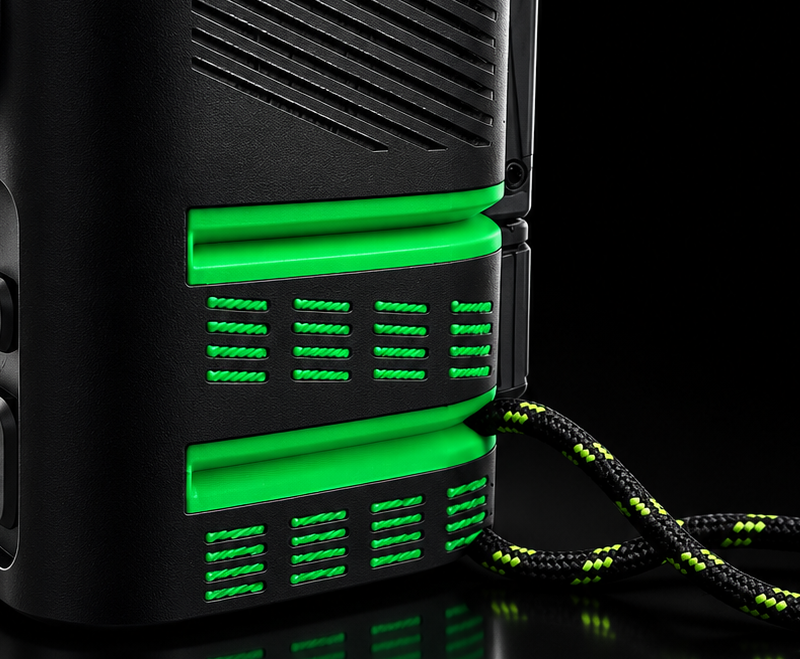
Power Is Stored
High-efficiency charging stores power for when you need it.
-
3
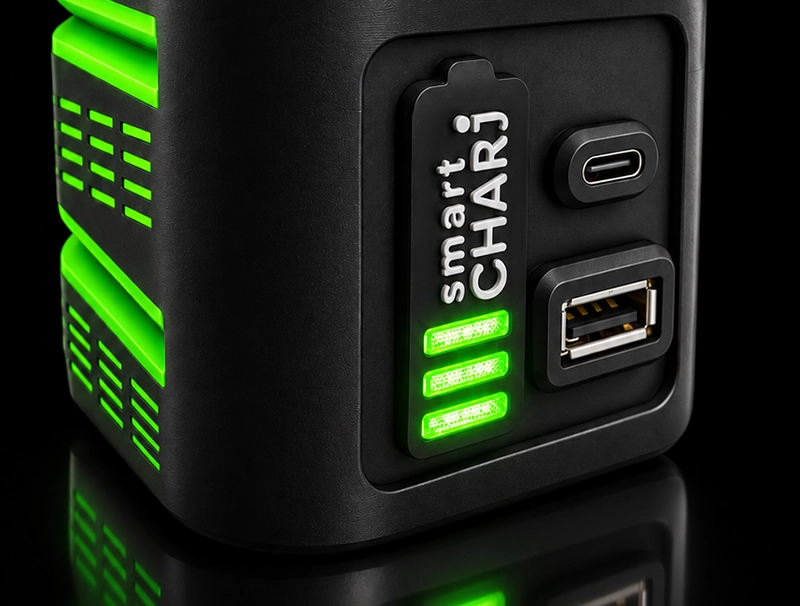
Charge Your Devices
Use the USB-C or USB-A ports to charge phones, lights, radios and other essentials.
-
4
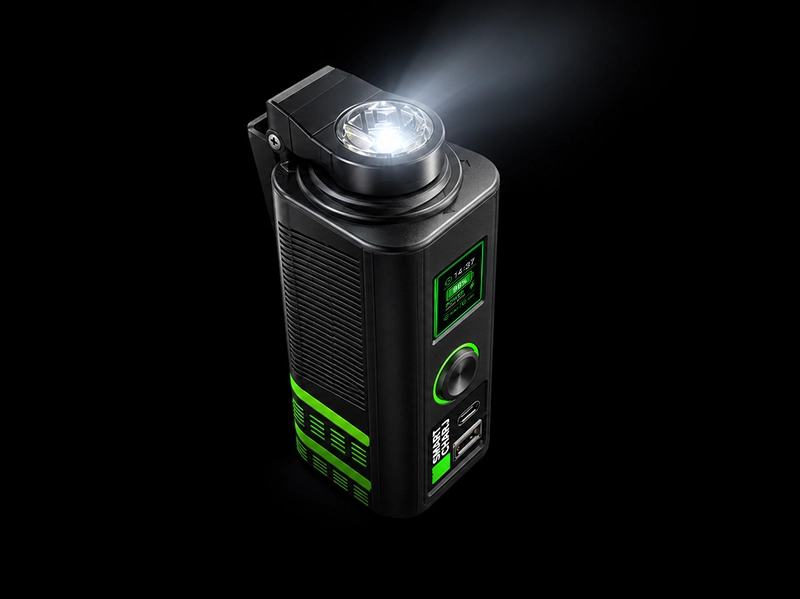
Stay Connected and Safe
Keep your essential devices powered during outages, emergencies and off-grid situations.
Thirty Seconds
Buys You Peace of Mind
In as little as 30 seconds of effortless winding, Smart Charj can generate a battery charge of approximately 10% from empty.
| Device | Typical battery | Cranking time to 10% |
|---|---|---|
| Smartphone | ~10–15 Wh | |
| iPad / iPad Air 11″ | ~29 Wh | |
| Large iPad | ~37 Wh | |
| Lightweight laptop | ~50–55 Wh | |
| Larger laptop | ~70 Wh |
Target figures for 10% of each device’s battery, subject to confirmation by prototype testing.
More than a Charger
Smart Charj is being designed around how households actually cope in an outage — not just around the battery.
-
Torch and Siren
An integrated light and an audible siren, so one device covers power, visibility and raising the alarm.
-
Modular by Design
A detachable power pack, so stored energy can be carried, shared or swapped independently of the crank unit.
-
250 mm Crank Arm
Fully extended, the arm is long enough to keep the force at the hand low — and it turns with either hand, so cranking can be shared and sustained.
-
Two or Three per Home
We expect households to keep more than one — by the door, in the kit, and one left in the car.
Off-Grid Power
Accessible in Seconds
Smart Charj stores energy in hybrid supercapacitors instead of in lithium-ion batteries. This single strategy changes how fast it charges and discharges, how long it lasts, what it is made of and, very importantly, how safe it is.
| Measure | Smart Charj | Conventional power bank |
|---|---|---|
| Energy store | Hybrid supercapacitors | Lithium-ion battery |
| Cobalt | None | Typically required |
| Charge cycles | Over 750,000 | Far fewer |
| Expected lifespan | Over 10 years | 1–3 years |
| Power source | Your own hands | Mains electricity |
| Time to a full phone charge | Approx. five minutes of cranking | Hours on mains |
| Works off-grid | Always | Only if charged beforehand |
| Suitable for tablets and laptops | Yes — designed for them | Varies; many lack the output |
| Fire risk | Negligible | High |
| CO₂ in use | Zero | Grid emissions |
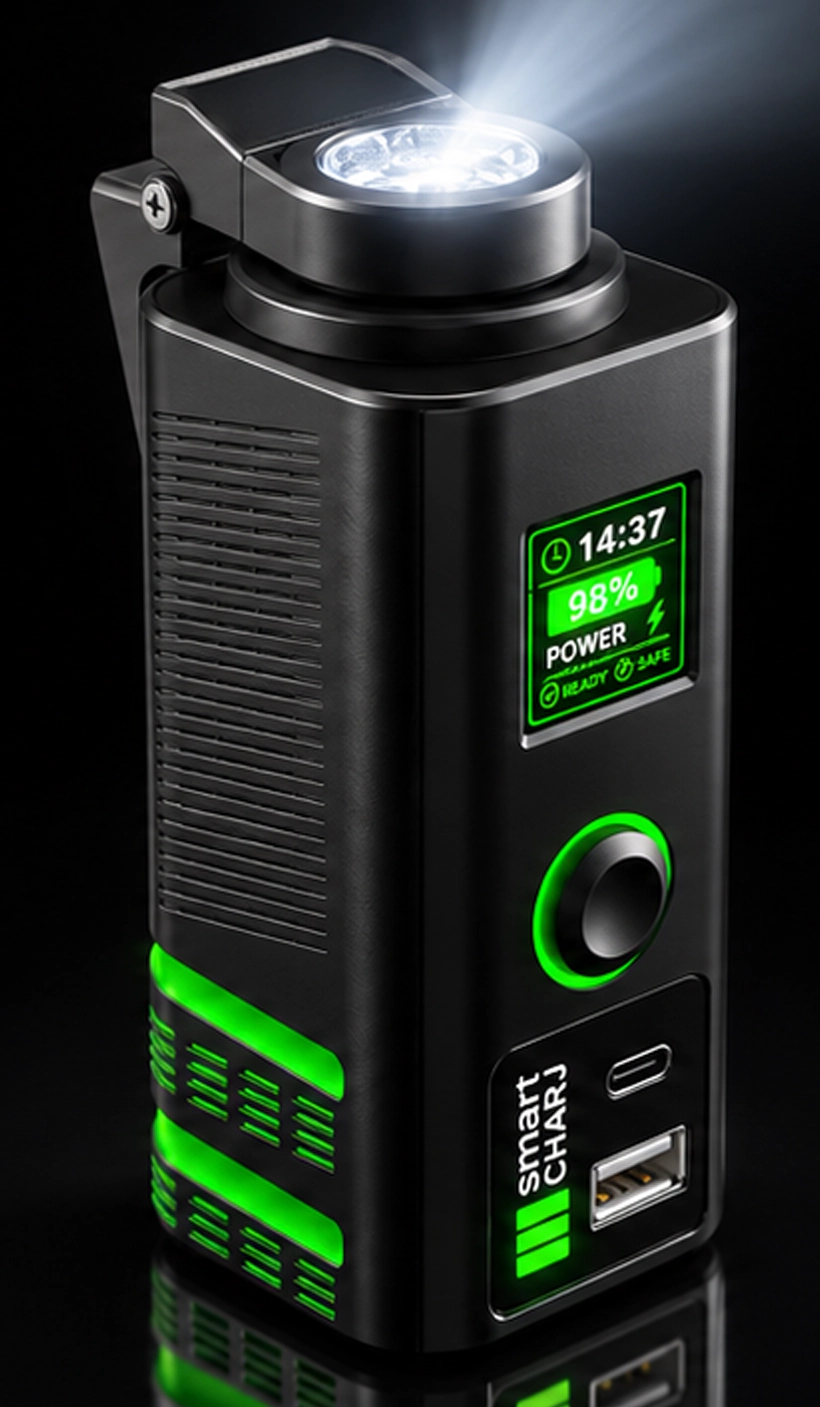
| Energy store | Hybrid supercapacitors — cobalt-free, minimal lithium (<2%) |
|---|---|
| Power source | Hand-driven kinetic generation. No mains, no fuel, no sunlight needed |
| Charge time | Approx. five minutes of cranking for a full smartphone charge. See the charge table for tablets and laptops. |
| Charge cycles | Over 750,000 |
| Expected lifespan | Over 10 years |
| Emissions in use | Zero CO₂ |
| Charging ports | 1 × USB-C (PD) 1 × USB-A |
| Power output | Up to 100 W to connected devices |
| Charging input | Up to 120 W over USB-C |
| Generator | Rated for 120 W, 90.6% efficient at full load |
| Crank arm | Approximately 250 mm fully extended — leverage to keep the force at the hand low |
| Dimensions | Approximately 14.5 × 5.5 × 5.5 cm (5.7 × 2.2 × 2.2 in) |
| Weight | Approximately 850 g (1.9 lb) |
-
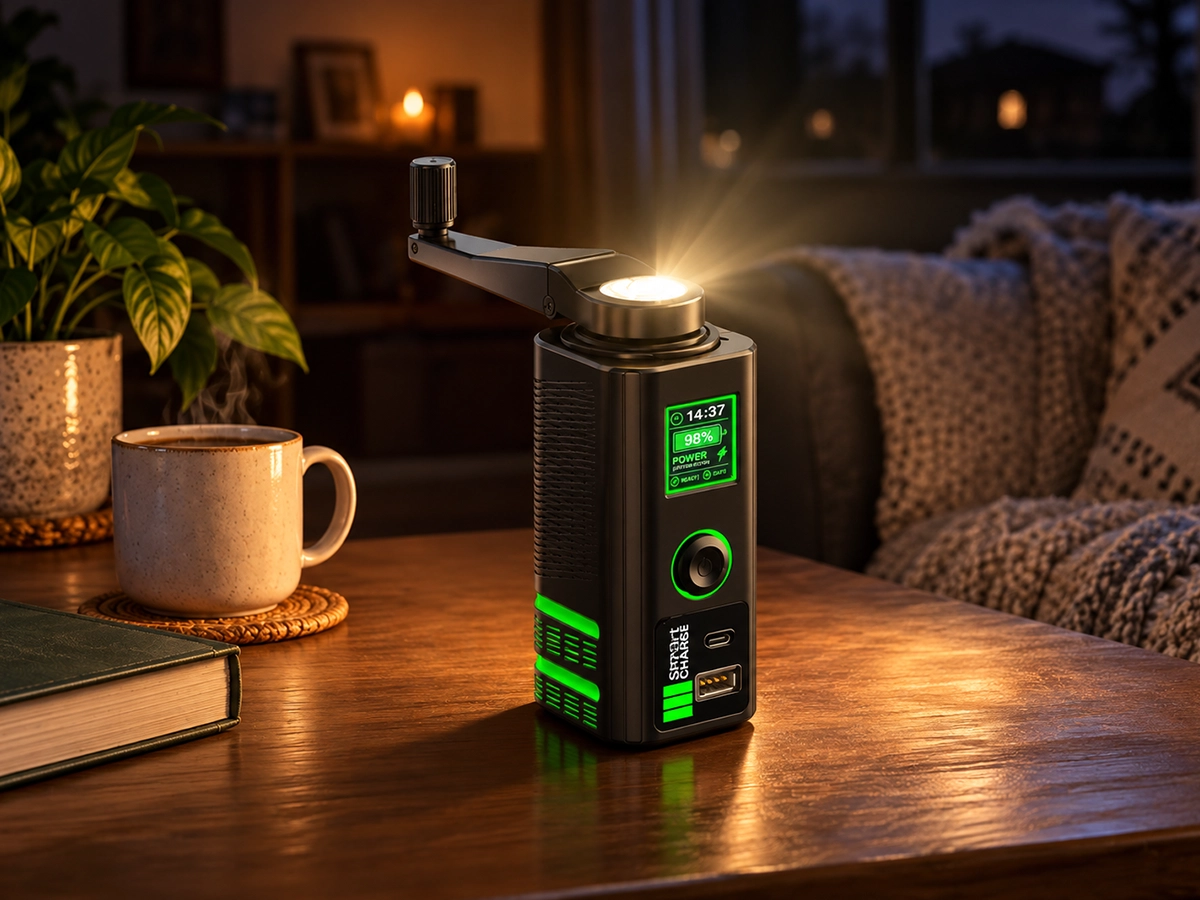
At Home
Keep your essential devices powered during outages.
-
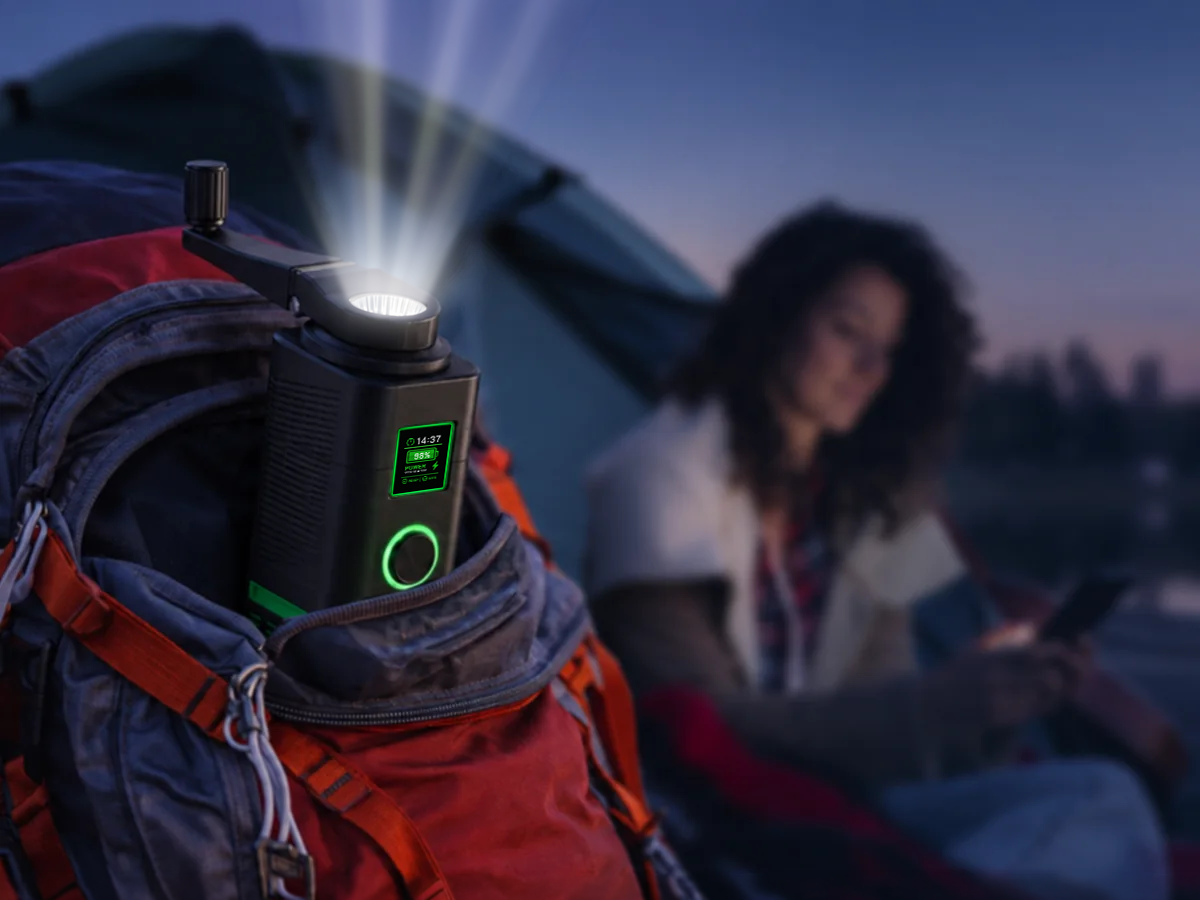
For Travel
Reliable power wherever your adventures take you.
-
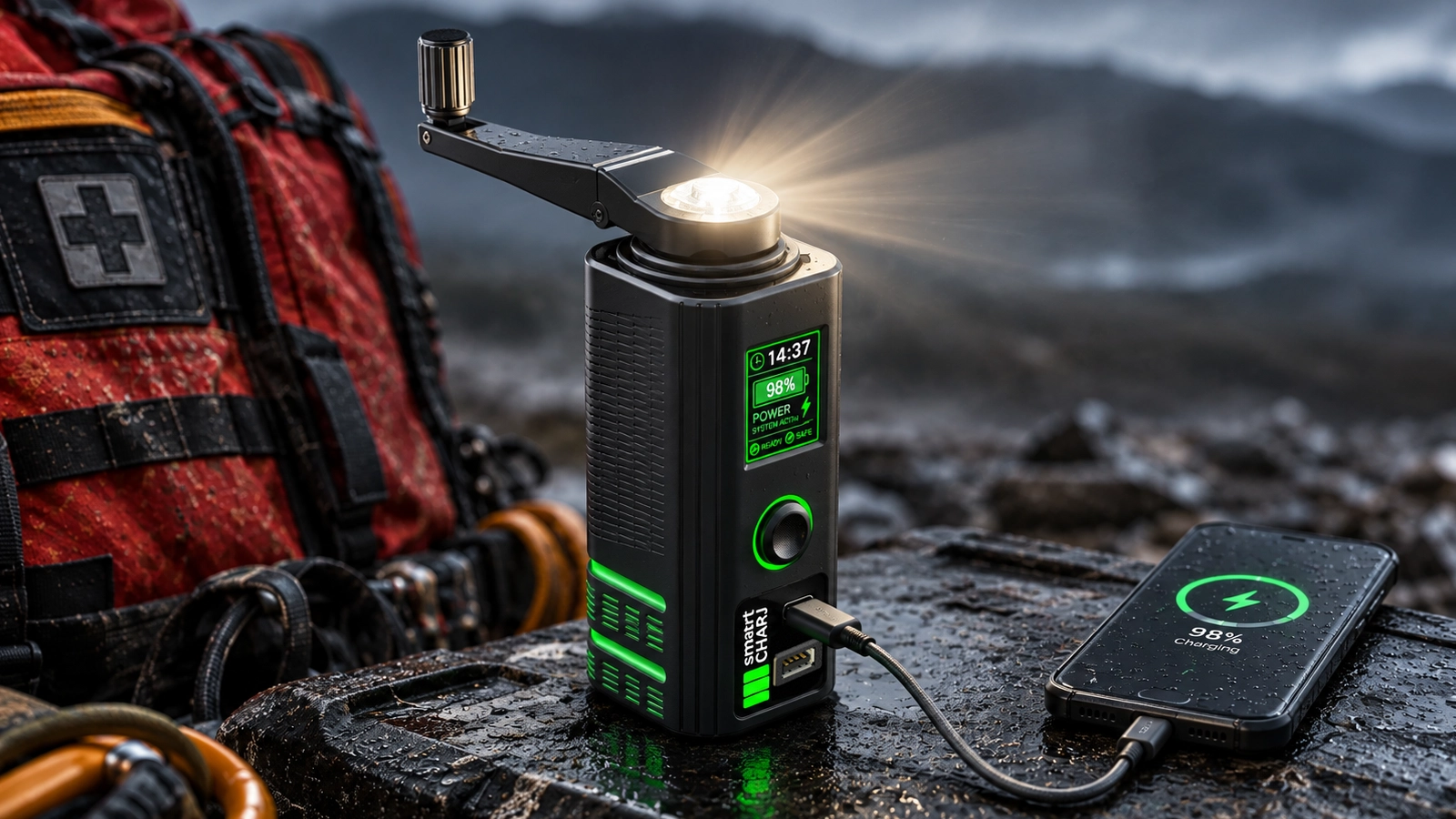
For Emergencies
Be prepared when the unexpected happens.
From a ‘Nice-to-Have’
to a Global Necessity
Koitech were originally developing Smart Charj to help mobile phone users who unexpectedly run out of battery with no other way to charge.
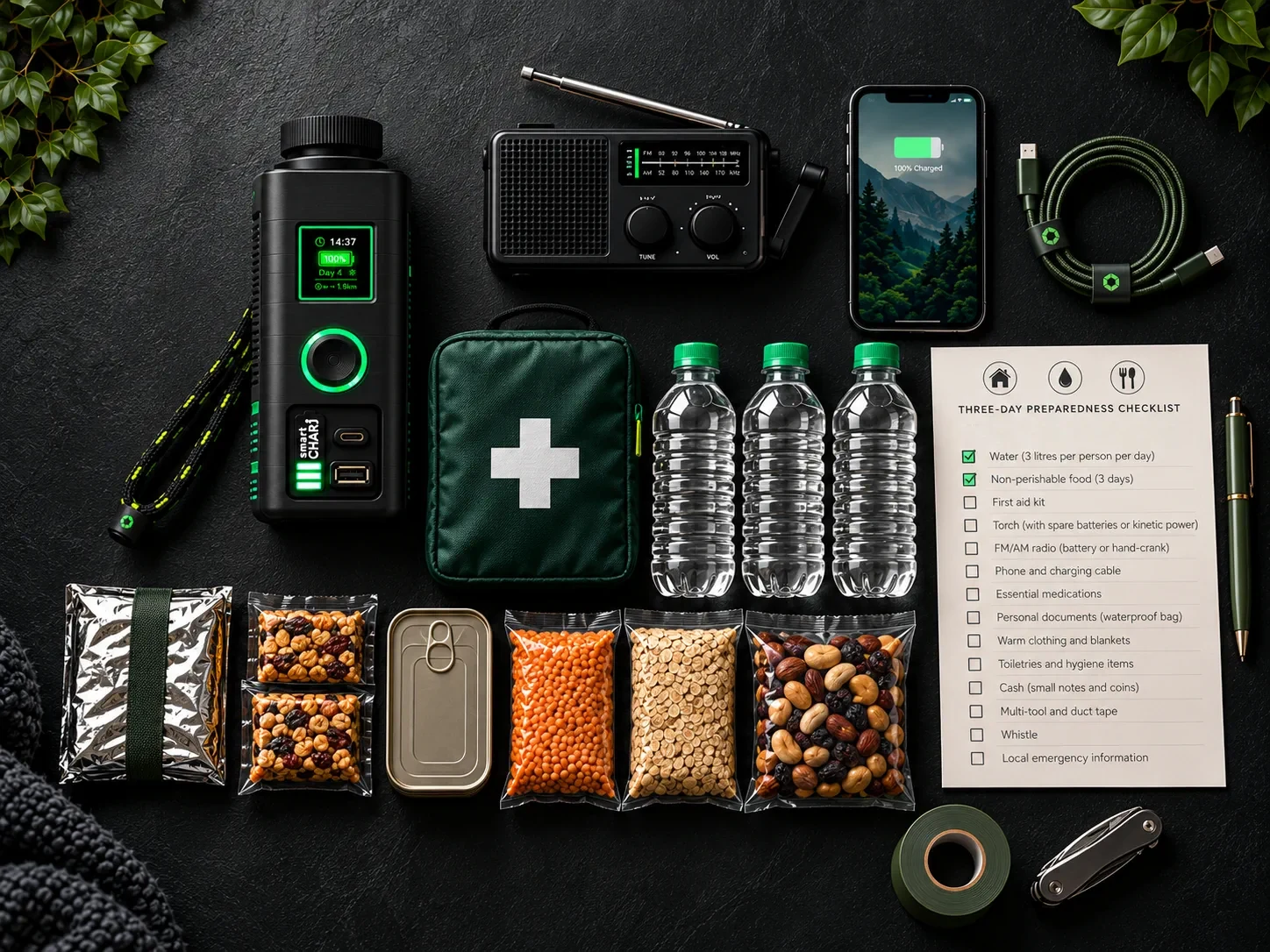
On becoming aware of the Cabinet Office’s Be Ready campaign, launched on 22 October 2026, and its National Resilience Campaign, we decided to pivot and develop Smart Charj as a disaster recovery device for emergency preparedness.
Once developed, we are confident it belongs on the Be Ready checklist — which already includes the likes of wind-up torches and wind-up radios.
Supported / recognised by